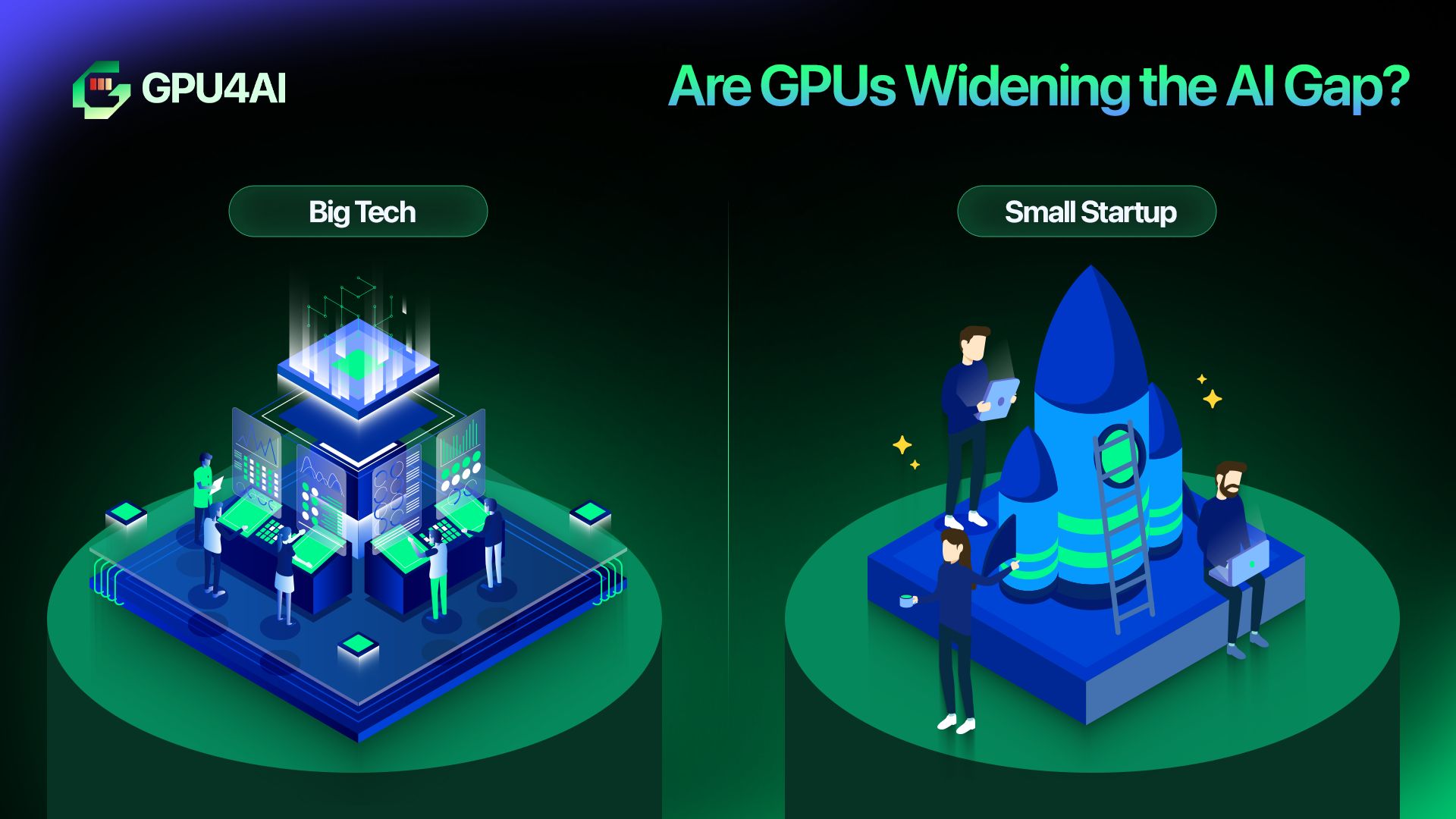

GPU Access Gap: In the early days of AI, data and algorithms were the decisive competitive edges. Teams could build breakthrough models with creative ideas and basic compute resources. But as AI has moved into production where models must run reliably, scale to millions of users, and generate real revenue one factor has quietly become king: access to GPUs.
Today, the gap between Big Tech players (like OpenAI, Google, and Meta) and AI startups is no longer about who has the “better” model. It’s about who can train, infer, and scale smoothly, cost-effectively, and reliably in a volatile real-world environment.
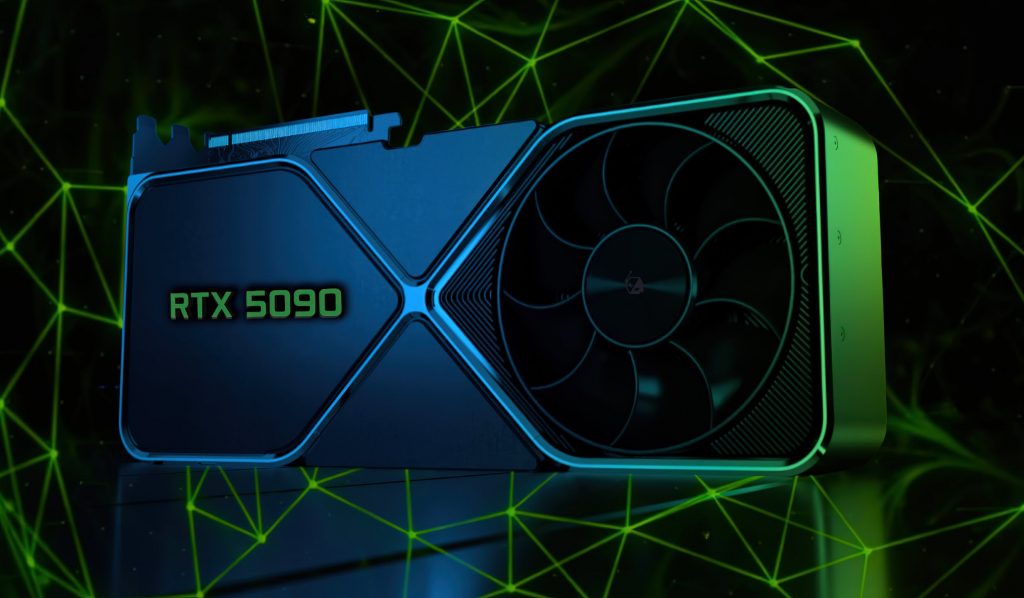
When GPU Became the “Highway” of AI
Modern AI simply cannot run efficiently on CPUs anymore. From large language models (LLMs) and vision systems to recommendation engines and complex AI agents, everything demands high throughput and low latency capabilities that only GPUs deliver effectively.
For Big Tech, GPUs are not just technical resources; they are strategic national assets. They sign multi-year contracts with NVIDIA, reserve entire shipments of Blackwell or Rubin chips, build private clusters with tens of thousands of cards, and even tolerate idle GPUs to guarantee stability during sudden scaling needs. The outcome: continuous 24/7 training, sub-millisecond inference latency, and product iteration cycles many times faster than competitors.
Startups, on the other hand, mostly rely on public cloud providers (AWS, Azure, GCP, or secondary vendors). Prices fluctuate with supply and demand, high-end instances frequently sell out, and scaling to production can cause bills to spike 5–10x in weeks. Many teams have had to pause experiments, delay feature launches, or lose customers due to slow inference or downtime from GPU shortages.
Real-world data from 2025–2026 shows the GPU (and HBM memory) shortage persists, with hyperscalers locking up the majority of supply through long-term deals. Startups often resort to secondary markets or expensive spot instances, while Big Tech secured allocations years ago.
GPU Are Quietly Stratifying the AI Ecosystem
Looking broader, GPUs are creating an invisible barrier:
- Big Tech: AI scales according to strategic plans
- Startups: AI scales according to infrastructure availability
The paradox is clear: Startups often move faster with ideas, adapt more flexibly, and stay closer to market needs. Yet GPU constraints slow their velocity, widening a “compute divide.” Without solving this, many talented teams risk staying trapped in a loop of building impressive tech without scaling sustainable businesses.
Industry reports highlight this growing divide: While Big Tech pours hundreds of billions into AI infrastructure (with hyperscalers planning $650B+ in 2026 capex), startups face uneven access to cutting-edge compute. This creates a two-tier ecosystem where AI readiness separates winners from those left behind.
The good news: GPUs don’t need to remain an exclusive advantage for Big Tech
When access shifts to:
- Flexible, on-demand rental
- No massive upfront infrastructure investment
- Easy scaling up or down
- Aligned with startup cash flow
Startups gain real parity. Pay-per-use models that support both training and inference, with optimized utilization and guaranteed availability, start closing the gap.
That’s why GPU4AI exists: infrastructure built specifically for AI teams building revenue-generating products, not just tech demos. We help Vietnamese and regional startups:
- Access high-performance GPUs for training and inference
- Rent flexibly without paying for idle capacity
- Scale seamlessly with product growth
- Fit small-to-medium teams with evolving roadmaps
GPU4AI doesn’t let startups “beat” Big Tech overnight but it removes the infrastructure handicap, so they can compete on what they do best: speed and agility.
Explore GPU solutions for AI teams at: https://gpu4ai.cloud/